

Tattoo Idea Consultation in Saskatoon Before You Contact
Tattoo idea consultation starts before you send the message.
A lot of people know they want a tattoo, but do not yet know how to describe it clearly. They have a theme, a few saved images, maybe a placement in mind, but the idea still feels loose. That is usually where hesitation starts.
People often delay contacting a studio because they think they need to have everything figured out first. They worry about sounding vague, asking the wrong question, or getting a quote that does not match what they meant.
Preparation helps. A better inquiry creates a better starting point for pricing, artist matching, and design. This guide helps you organize your idea. Do this before you reach out in Saskatoon.
A tattoo idea consultation is the process of turning a rough concept into usable details
A tattoo idea consultation is not about having a perfect design ready. It is about giving a studio enough information to understand what you want and what still needs discussion.
Most inquiries become easier when they answer a few practical questions early. What is the subject. What style do you like. Where on the body are you thinking. Roughly how big should it be. What matters most to you if something needs to change.
That does not mean you need a finished sketch. Studios do not need you to design the tattoo for them. They need clear direction. A good inquiry gives the artist room to create while still protecting the meaning, mood, and placement you care about.
Compare your options. Check a studio’s contact page. It shows needed information. That alone makes the process manageable.
Reference images are most useful when they show style, not a tattoo to copy
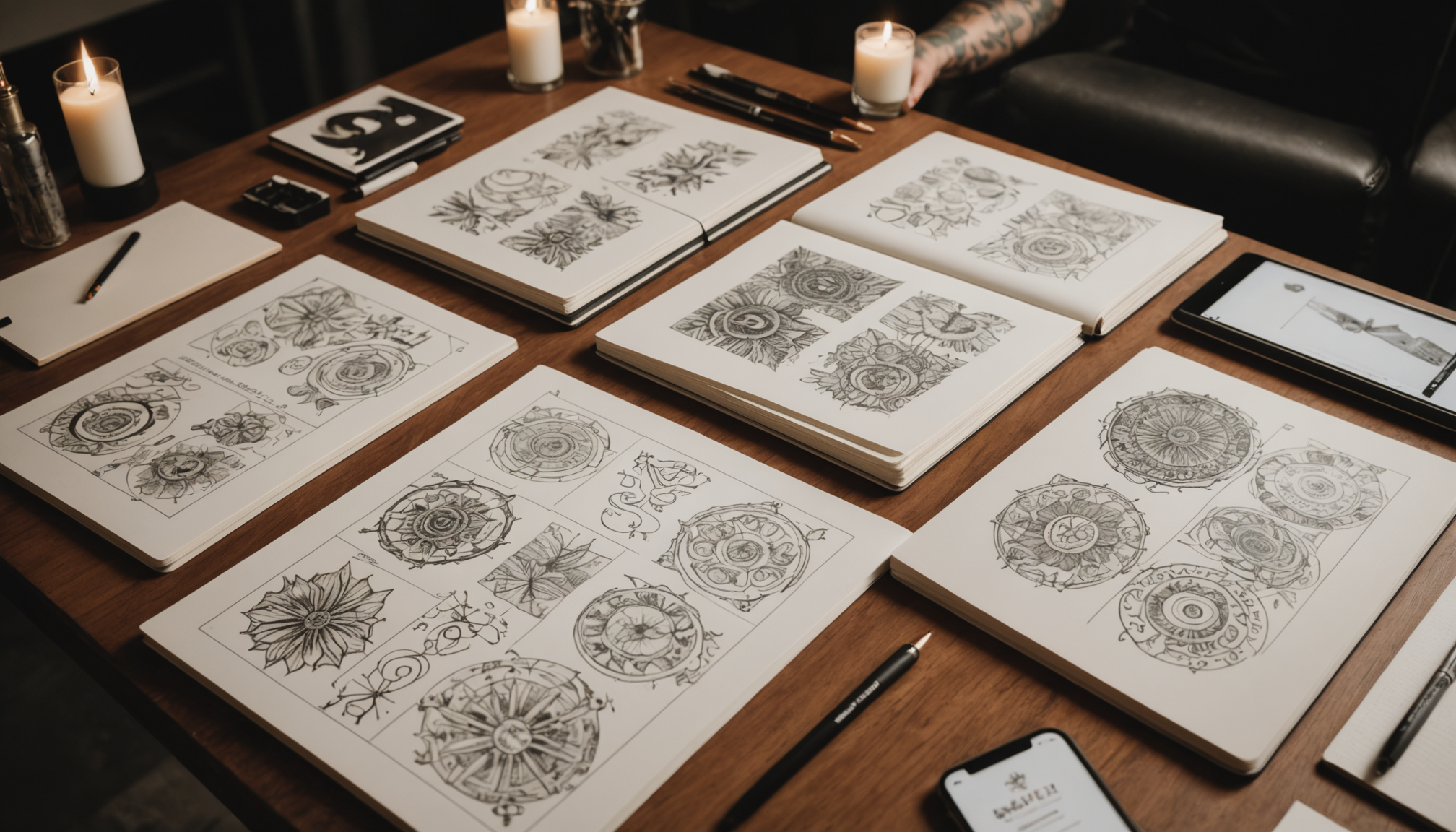
Reference images are examples that help communicate visual preferences. The best references explain taste, not just subject matter.
Many collect ten images of a desired flower, animal, or symbol. This helps a little. But it often misses important parts. A studio learns more from references showing line quality. Shading, texture, composition, and mood are also key. Two people may want a jellyfish. One may want it soft and flowing. Another wants it dark, graphic, and sharp.
This matters with symbolic tattoos too. Search terms like jellyfish tattoo meaning or 3 dots tattoo meaning often lead people into broad internet interpretations. Meaning is shaped by design context as much as by the symbol itself. Style, placement, scale, and surrounding elements all change how a tattoo reads.
Try to gather a small set of references that answer specific visual questions. What level of detail do you like. Do you prefer black and grey or colour. Do you want fine lines, bold outlines, or a softer painterly feel. If you include too many unrelated references, the inquiry becomes harder to interpret.
A useful message details what you like. Mention movement, shading, or spacing from different images. That clarity helps an artist understand your direction faster. It is better than a folder of random saved tattoos.
Placement and size are design decisions, not small details
Placement and size are not just technical notes. They affect how the tattoo will look, age, and feel on your body.
A vague inquiry often says something like small to medium on the arm. That sounds helpful, but it still leaves too much open. The outer forearm, inner forearm, upper arm, and wrist all behave differently. A tattoo that works at four inches may not read well at two. A design that feels balanced on the thigh may feel cramped on the ribs.
You do not need exact measurements, but it helps to be more specific. Mention the body area as clearly as you can. If possible, include a photo of the placement. If size is uncertain, compare it to something familiar, such as palm sized or half sleeve range. The goal is not precision for its own sake, but enough scale for realistic planning.
First tattoo inquiries can feel harder than expected. People focus on the image. They forget the body changes the design. Placement often reveals what the piece needs. It can simplify the concept. Detail levels might change. Or it may point to a different style. This can hold better over time.
Style language matters more than perfect tattoo vocabulary
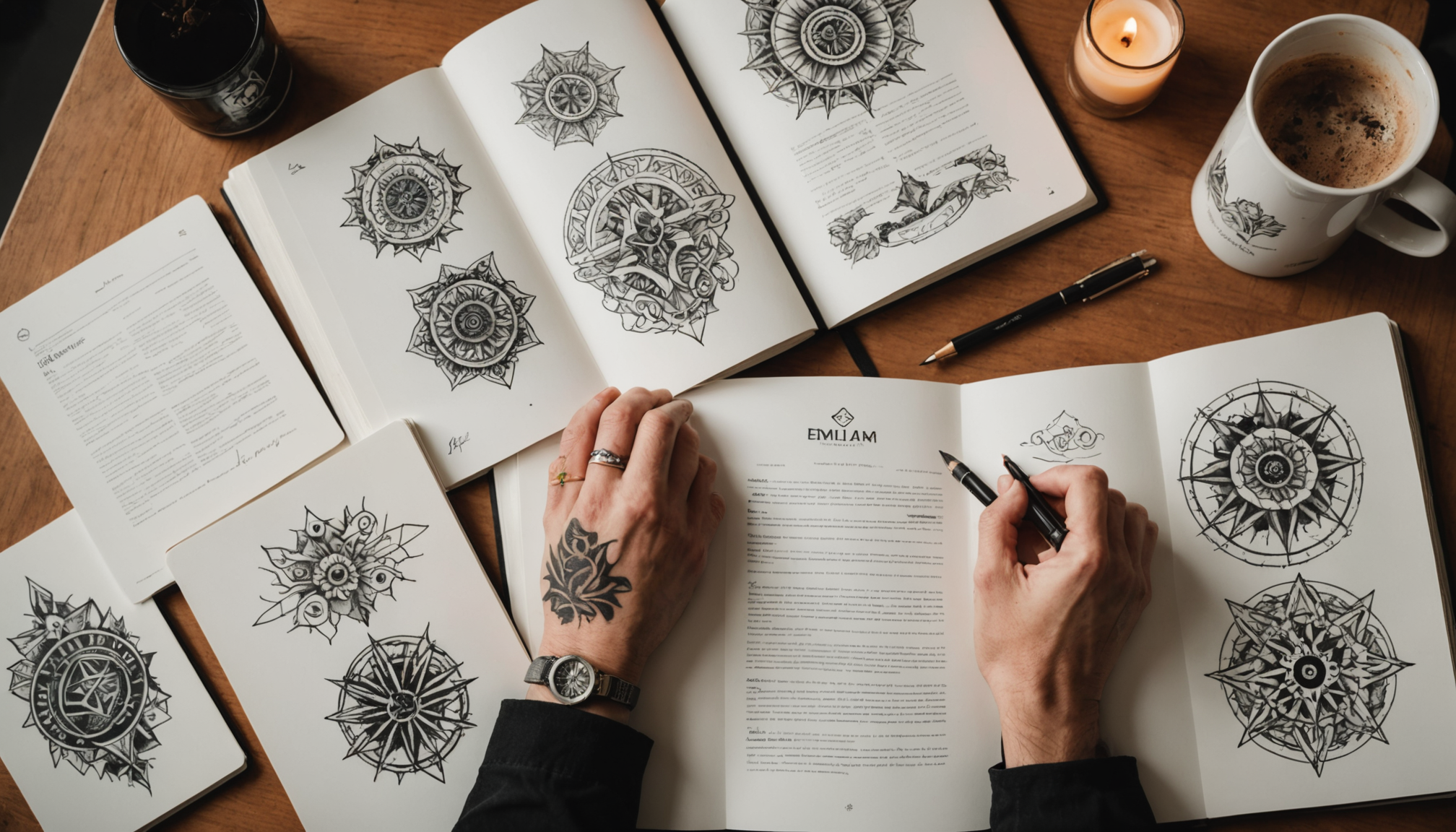
Style language is the way you describe the look and feeling you want. You do not need expert terms, but you do need useful words.
Many worry about saying the wrong thing. They are not familiar with tattoo categories. Studios seek direction they can interpret, not perfect jargon. Words like delicate, dark, soft, or bold are useful. Natural, graphic, traditional, illustrative, ornamental, and realistic also help. These are better than simply saying you want something nice.
It also helps to explain what you do not want. If you like floral tattoos but dislike heavy black fill, say that. If you want a cleaner look and do not want too much background detail, say that too. Clear dislikes can be just as helpful as clear preferences.
Portfolio research matters here. Look at an artist’s healed work. Check line consistency and approach to detail. This shows if your idea suits their strengths. Decide what level of work fits your budget. Studio Hon Saskatoon readers find the tattoo pricing page helpful. Review it before sending your inquiry. Price makes more sense with clear style, scale, and complexity.
Many search for tattoo shops near me in Saskatoon. The stronger choice comes from artist fit, not just proximity. A clear style description helps the studio match you more accurately.
Budget details help a studio guide you, not judge you
Budget details are part of planning, not something to hide until later. A realistic budget gives the studio a way to shape the conversation well.
Some avoid mentioning price. They think it sounds rude or limiting. The opposite is usually true. Share your rough budget range. The studio can say if your idea fits. They can suggest scale adjustments. Or they might recommend doing the piece in stages.
Honest budget matters most. Do not ask for a tiny quote on a large, detailed piece. Instead, say you love the idea. Then state you want to keep it within a certain range. That honesty saves time on both sides.
If your idea is flexible, say what matters most. Maybe keeping the full concept is more important than getting it done immediately. Maybe placement matters more than detail. Maybe you are open to reducing size if it means staying within budget. These details give the studio options instead of forcing a yes or no response.
For a North American search audience, price comparison often becomes a source of stress. But the better question is usually not what is the cheapest tattoo. It is what level of detail, size, and artist fit makes sense for this piece.
A strong inquiry is clear, concise, and open to professional input
A strong inquiry is a message that gives enough detail without overcontrolling the design. The best inquiries balance clarity with flexibility.
You do not need a long personal essay unless the meaning directly affects the design. A short explanation of the subject, mood, placement, approximate size, style references, and budget range is usually enough to start. If timing matters, include that too.
Missing information or conflicting direction slows the process. For example, wanting a tiny, highly realistic tattoo. Or sending various unrelated styles for an exact price. Studios can guide uncertainty. But clear quotes are impossible with contradictions.
It also helps to avoid asking for direct copies of another person’s tattoo. Reference images should support your idea, not replace the design process. If your concept comes from symbolism, be careful with internet meanings that flatten context. A phrase like 3 dots tattoo meaning can point to very different histories and interpretations depending on culture and use. If a symbol matters deeply to you, mention why you chose it and ask how it might be approached visually.
At Hon Tattoo, and equally at Studio Hon Saskatoon, the most useful starting point is usually simple. Show what you want, explain what matters, and leave room for refinement.
Sometimes the right next step is not booking, but clarifying
Clarifying is the step where you decide what is essential before you commit. You do not need to rush from idea to appointment.
If your concept still feels scattered, take a day and reduce it. Pick three reference images instead of twenty. Decide on one placement instead of four possibilities. Work out whether your priority is symbolism, style, or visibility. Most people feel less anxious once the idea becomes smaller and more concrete.
That extra clarity often changes the entire experience. Your inquiry becomes easier to answer. Quotes become more realistic. Artist matching becomes more accurate. The consultation feels less like guessing and more like collaboration.
If you are getting close but still feel uncertain, that usually means you need better structure, not more pressure. A studio should help you understand the decision in front of you, not push you past it.
If you are ready to ask better questions, start there
A good inquiry does not need to be perfect. It only needs to be clear enough to begin the right conversation.
Shape your tattoo idea consultation in Saskatoon. Organize references, placement, size, and budget before reaching out. That preparation often makes the whole process calmer.
Want help clarifying your idea? Contact Studio Hon Saskatoon via the studio contact page. A thoughtful conversation early on makes the next decision easier.
Frequently Asked Questions About Tattoo Idea Consultation
What should I send a tattoo studio for a quote?
Send the subject, placement, approximate size, style references, and your budget range. A clear inquiry helps the studio quote more accurately and match you with the right artist.
How many tattoo references should I send?
Three to five references are usually enough. Choose images that show the style, mood, and detail level you want rather than many versions of the same tattoo.
Do I need to know the exact size before booking?
No, you do not need exact measurements before booking. A rough size and body placement are enough. The final size can be refined during consultation.
Should I tell a tattoo studio my budget?
Yes, sharing your budget helps the studio guide you realistically. It allows them to suggest changes to size, detail, or timing if needed instead of giving a misleading answer.
Can I ask for a tattoo based on another tattoo?
You can use another tattoo as a reference, but it should not be copied directly. Studios usually prefer to create a custom design that reflects your idea while respecting the original artist’s work.
A tattoo idea becomes easier to decide on when the meaning, placement, and style feel clear.
Still thinking through your idea? Studio Hon Saskatoon can help you. They understand what fits your body. They also consider your story and long-term comfort.
Studio Hon
227 2 Ave S, Saskatoon, SK S7K 1K8
Phone: (306) 653-5561
Website: https://www.studiohon.com/
Instagram: @Studiohon_
Also, if you click the button below and send us your tattoo-related questions, we will respond. We will do our best to provide you with accurate answers.